Window upgrades and a new roof tend to land on the same short list when a home starts showing its age. Each project touches the building envelope, has scaffolding or lifts involved, and puts crews around the fascia, eaves, and siding. When they happen in isolation, both jobs are straightforward. When they overlap, sequence matters. A smooth plan protects warranties, avoids doing work twice, and cuts total time on site. Done poorly, you can chew through trim, flashings, and budgets faster than you expect.
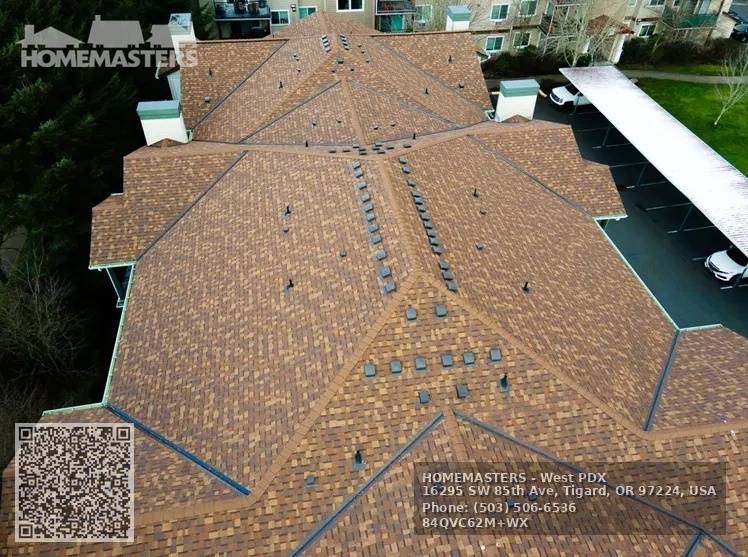
I have managed projects where the roofers showed up to a house that had just received high-end clad windows and custom aluminum wraps on the exterior trim. The wrong sequence forced the team to peel back fresh work to tie in new step flashing and head flashings. That meant extra hours and a dent in customer trust. I have also seen the opposite, where the roof replacement came first, the window installer used the existing chimney cricket and roof-to-wall flashing to tuck their head flashing under the shingles, and the whole system stayed clean and watertight. The difference was planning.
The building science behind the schedule
Water wants to move down and in. Gravity pulls it downward, wind pushes it sideways, and capillary action can draw it upward by a surprising inch or two. Your envelope should force water to drain out and over each layer beneath it. Roof shingles lap over underlayments, which lap over flashings, which lap over housewrap, which laps over window flashings. If you think like rain, the correct sequence becomes obvious.
On most houses, windows interrupt vertical walls and shed water onto the siding. The roof intersects those walls at eaves, rakes, and occasionally dormer cheeks. The roof termination needs a continuous, shingled path for water, and that path includes the window head flashing if a window sits near the tie-in. If the roof goes on first and the window installer later tries to counterflash into completed roofing, they may be forced to cut shingles or bend flashings in ways that create dams or capillary traps. Flip the order, and you still have risks, especially if you wrap window trim before the roofers swap drip edges and gutters.
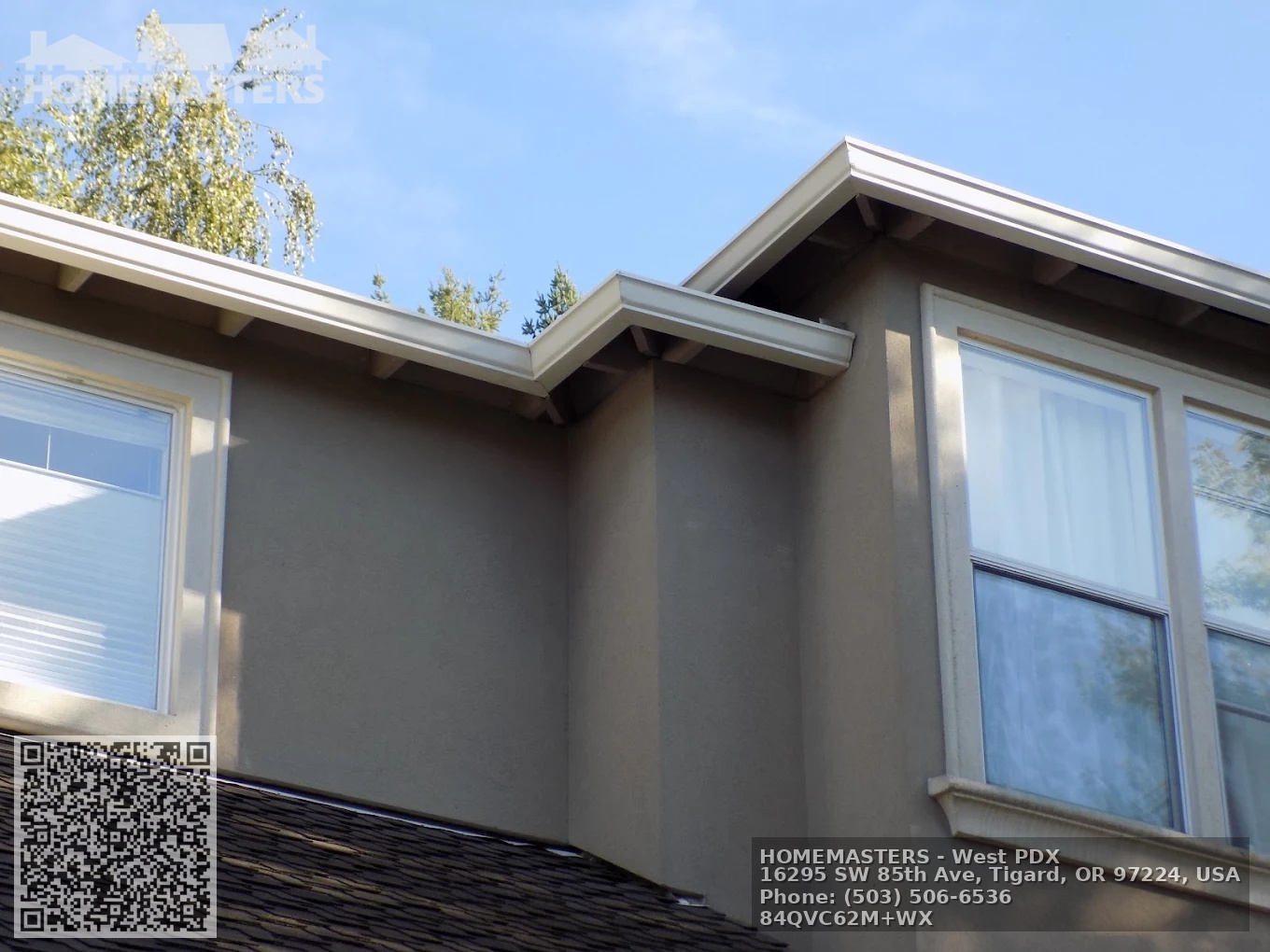
Thinking in layers pays off. Housewrap should shingle over window head flashing. Step and head wall flashings should shingle over housewrap. Drip edge should lap over the underlayment at eaves and under the underlayment at rakes, then tie visually and physically to gutter and fascia treatments. Roofing contractors who understand these relationships help you stage the window installation service and the roof replacement so the laps land right without extra cuts.
When to schedule which: general rule and exceptions
The general rule on a typical re-roof where the wall assemblies are not being rebuilt is this: replace the roof first, then install or replace windows and exterior trim. The simplest reason is weather. A watertight roof protects all the downstream trades. Add to that the reality that most bent aluminum, vinyl, and painted wood wraps around window casings will get scuffed during tear-off if they are already in place. Let the roofers finish their tear-off, install new underlayment, shingles or panels, and flashings, then bring in the window crew to marry their head flashings and jamb flashing tapes into the existing housewrap and siding.
There are exceptions.
- If you are re-siding or re-sheathing the walls and plan to replace the housewrap, install windows first so their flanges and flashings integrate with the new WRB. Then the roofers can counterflash at the roof-to-wall connections knowing the wall plane is correct. For low-slope or fully adhered roof systems that climb up the wall plane, coordinate so the window head flashing does not end up trapped behind a membrane that cannot be easily lifted. Sometimes that means windows first, membrane second, then a termination bar and counterflashing that laps correctly. In historic homes with original masonry or stucco, the window schedule may drive sequencing if a stucco patch or lead counterflashing needs to be embedded in mortar joints. In those cases, it can be safer to set the windows and let the mason finish the counterflash before the roofers finalize step flashing.
A good roofing contractor will ask about upcoming window work early. If they do not, raise it. The best roofing company teams I have worked with keep a simple matrix for sequencing on the wall by the job board, because one wrong order can eat a day.
Site logistics that change the math
The calendar and the building science are only half the equation. Access to the home, especially if you have narrow side yards or delicate landscaping, often decides whether you can run both projects in the same week.
Roofers bring dump trailers, conveyors, or shingle elevators, and stacks of materials that can easily hit 8,000 to 12,000 pounds on a 30 square re-roof. Window installers bring panes that cannot handle stray nails or grit and need sheltered staging. If you have a single driveway and a tight cul-de-sac, simultaneous staging quickly becomes chaos.
From experience, you lose far less time by sequencing crews Roofers with a one or two day buffer than by trying to stack them. The roof tear-off is the messiest period. Give the roofing contractors clean access during tear-off and dry-in. Once the roof is shingled or the membrane is welded and the grounds are magnet-swept, the window crew can stage safely without worrying about sharp debris. That also lowers the risk that a cart with a triple-pane unit rolls over a roofing nail.
Flashings are not negotiable
Most warranty issues we troubleshoot on complicated jobs trace back to flashings. That is why coordinating who supplies, installs, and warranties the critical metal and membrane components matters more than whether framed windows arrive Tuesday or Thursday.
Head flashing above a window must extend past both jambs and kick out water. Jamb flashing tape should integrate with the WRB, not just stick to raw sheathing. If the roof terminates within a foot or two of a window head, step flashing laced with shingles needs to turn the corner so water cannot sneak behind the head flashing. At the eaves where the gutter meets the window sill plane, a kick-out flashing is essential to throw water into the gutter instead of running it down the wall.
Roofing companies sometimes assume the window contractor will handle window-specific flashings and vice versa. Do not leave that assumption in the air. Put it in writing. On my jobs, the roofer owns anything shingled into the roof system, including step, head wall, and kick-out flashings. The window installer owns pan flashings, head flashings at the unit, and integration with the WRB. If there is overlap, we field-measure together before metal is bent.
Managing warranties across trades
Manufacturers write roof and window warranties to protect themselves from installation shortcuts. When two scopes interact, a small gap in accountability can void both. An example: a homeowner hires a roof replacement from one team and windows from another. The roofer cuts back siding to insert new step flashing, and in the process slices the head flashing above a nearby window. Six months later, water stains appear. The roofer claims the window leaked. The window installer claims the roofer compromised their flashing. Without site photos or a written handoff, you pay for the repair twice.
Strong documentation prevents this. Before tear-off, take dated photos of wall-to-roof intersections and any windows within three feet of those lines. After dry-in, photograph step flashings and counterflashings before siding or trim hides them. During window installation, capture the sequence of pan, jamb, and head flashings and how they shingle with the WRB. Ask both parties to store those photos with your job file. Good roofers already do this for insurance claims. The best roofing company crews happily share the set.
Clarify warranty boundaries. A roofing contractor near me includes a simple clause: roof leaks within 18 inches of a window or wall penetration are warrantied if installed by our team, unless other trades alter those flashings without our approval. It is fair, and it motivates coordination.
Windows that complicate roofing - and how to plan for them
Certain window choices demand extra thought when a roof is involved. Full-frame replacements with nailing flanges integrate better with the WRB and are easier to flash correctly than pocket replacements, but they require exterior trim adjustments. Pocket replacements, where the installer slips a new unit into an existing frame, look simpler, yet they leave the old frame and its flaws in place. If that frame sits above a roof plane, hidden rot can grow behind siding and flashing.
Clad units with factory head flashing extrusions can conflict with step flashings and counterflashings if the roof-to-wall line sits right at the window head. In that case, you may need custom bent head flashing that tucks behind the cladding and over the step flashings. Plan for it at measure time, not the morning of install.
Another common wrinkle is egress windows in half-dormers. The bottom rail sometimes sits within 6 to 8 inches of the shingle surface along a cheek wall. Snow backs up there. I have replaced several sill nosings that wicked water during freeze-thaw cycles because the roof crew failed to set a diverter. Coordinated detail: extend the diverter flashing a minimum of 4 inches above the bottom rail elevation and ensure the window sill slope is at least 8 degrees with end dams sealed.
If your roof is metal, change the sequencing playbook
Asphalt shingle systems are forgiving. Metal roofs, whether standing seam or through-fastened, are not. The seams lock, the panels expand and contract, and field alterations later create oil canning or metal fatigue. If you are planning both a metal roof and new windows, bring the window installer and the metal roofer together before fabrication.
Head wall flashing on standing seam is usually a Z-closure with butyl tape that mates to a ridge or a counterflashing that tucks under the siding or WRB. If a window head sits close to that closure, design the trim package so the window head flashing becomes the counterflashing leg, or leave a removable trim board as a serviceable counterflashing. That is the sort of detail a layperson would not guess, but the roofer has to bend and rivet it before panels lock.
Coatings matter too. Galvanic reactions are real. I have seen installers use standard aluminum coil stock for window head flashings that touched bare edges on a galvalume roof. In a few seasons, corrosion pitted the contact points. Specify compatible metals and fasteners across both scopes.
Working around gutters, fascia, and wraps
Many homeowners want a clean exterior finish to go with their new windows, which often means fresh fascia, soffit, and guttering. Those components wrap right over roof edges, so the roof replacement sequence must anticipate them. Drip edge at eaves should lap over the back leg of the gutter aprons. If you are replacing gutters after the roof, ask the roofer to leave a consistent 1 inch shingle overhang to feed the new system. This avoids misaligned drips and water streaks.
Wrapped fascia in aluminum or PVC-coated aluminum is slick. That slickness makes it easier for ladders to kick out and for ice to creep. Roofers need to know whether they can fasten their brackets through the wrap or if they should use stand-offs. The window or exterior trim crew also needs to leave access for roofers to tie in rake drip edges. Ideally, the fascia wrap stops 1/8 inch shy of the roof deck plane along rakes so drip edge can seat tight.
If your existing gutters are being salvaged, the roofers must remove and rehang them to replace the drip edge. Windows that sit directly beneath those runs need protection during that phase. I have had good luck hanging temporary 6 mil plastic curtains a few inches off the wall to catch granules and nails. It is a small cost, and it prevents scratches on new glass.
How long this really takes
Homeowners often ask whether it is realistic to complete a 25 to 35 square roof replacement and ten to fifteen window swaps in a single week. It can be, but only with ideal weather, clean framing, and no change orders. In my files, a single-story home with basic architecture and no rot averaged 3 to 4 days for roofing and 2 to 3 days for windows, not counting siding or interior trim paint. Add a day if you have dormers or a chimney that needs lead work. Add another day if two or more windows intersect a roof plane.
Set expectations early. If you line up a roofing contractor near me in May, understand that a mid-summer thunderstorm can cost a day while crews wait out lightning. Windows ordered in March may arrive in April, but a custom color or a non-stock size might push delivery by 2 to 3 weeks. Build a buffer. The better roofers will not tear off a roof when a storm cell is in the forecast, even if it is only a 30 percent chance. That decision might frustrate your calendar for a day, but it protects your home.
What homeowners can do to help coordination
You do not need to manage the install details. You do need to set the stage and make informed choices. A short checklist helps.
- Pick the sequence with both contractors present, and write it into both contracts along with who owns which flashings. Confirm material compatibility: underlayments, tapes, metals, and fasteners that will touch. Protect access: clear at least 12 to 14 feet of driveway for the dump trailer and delivery truck, and mark sprinkler heads and shallow utilities. Photograph critical areas before work begins, and ask for progress photos of flashings and WRB tie-ins. Hold a 15 minute walk-through at each handoff, roofers to window crew and back, to review what changed and what remains open.
These five steps sound simple, yet they eliminate most field friction I see between trades.
Vetting roofers with window coordination in mind
Searches for roofers return pages of roofing companies that can nail shingles straight. Fewer can integrate their scope with a window installation service or siding replacement without drama. When you interview roofing contractors, ask to see a past project where windows and roofing overlapped. Look for site photos that show pan flashings, head flashings, and step flashings together. Ask who bent the metal, what gauge, and how they handled kick-outs at gutter returns.
A strong roofing contractor will not flinch at those questions. They will also talk plainly about lead times and will not try to talk you into a schedule that prioritizes their slot over the building’s needs. If someone tells you they can set head flashings right over shingles without a counterflashing or WRB integration, keep looking. The best roofing company in your area earns that title by preventing problems you will never see, not just by laying tidy courses.
If you prefer to keep your search local, a query like roofing contractor near me is a start, but verify more than ratings. Drive by a current job. You learn a lot from housekeeping. Are tarps protecting shrubs? Are magnets used daily for nails? Are safety lines in use? That discipline shows up in flashing details too.
Insurance, permitting, and inspection timing
Some municipalities require separate permits for roof replacement and window installation. Others wrap them under a single exterior remodel. Your inspectors will want to see underlayments and flashings before they are buried. Schedule those inspections with the handoffs in mind. A missed inspection can stall both trades.
If your project has an insurance claim, such as hail damage, the carrier will likely scope the roof and sometimes windows. Make sure the scope of loss accounts for interactions. If the insurer pays for roof step flashings but not for the adjacent siding removal and reinstall to insert those flashings, you will face an awkward gap. Have your roofing contractor write a supplement that explains why those line items are required by code or by manufacturer instructions. Window sash failures from impact also carry hidden costs in trim and paint. Better to bundle those early than to argue after the fact.
Dollars and sense: where coordination saves money
There are places where coordination legitimately drops cost without cutting quality. Buying bent metals for both trades from the same sheet-metal shop often costs less and ensures color match across window head flashings, kick-out flashings, and drip edges. If your roofer has a brake, let them bend the kick-outs and head wall flashings. Let the window crew focus on WRB, pans, and interior trim.
Shared staging reduces setup fees. If the roofer is already paying for a boom to lift shingles to a third-story mansard, the same lift can place large window units on the upper deck landing, saving time and a few sore backs. Coordinated debris hauling avoids paying for two partial pulls on dumpsters. The numbers are not huge in isolation, but on a full exterior refresh they add up to a few hundred to a couple thousand dollars.
Just do not chase savings that risk performance. A common temptation is to reuse old step flashings when roofing. Building codes in many areas now prohibit that, and for good reason. Old step flashings often deform during tear-off and carry old nail holes that become leaks. New step flashing costs a small fraction of the roof price and is worth every dollar.
Interior finishes and comfort during the work
Window replacements open the envelope. Even with careful staging, you will have rooms exposed for an hour or two per opening. Coordinate with the roof schedule so the dry-in phase is complete before windows come out, minimizing the chance of rain exposure. Plan interior trim, stain, or paint for after both scopes wrap. Dust management is better when trades are not crossing each other, and your finishers will not have to touch up after ladders bump casing.
Noise and vibration matter, especially if you work from home. Tear-off day on a roof is the loudest. Schedule important calls away from that day. If your window crew uses oscillating tools to cut sashes and frame pockets, expect periodic high-pitched whine. Good crews warn you before they open each room so pets can be relocated and HVAC vents can be covered briefly to keep dust out.
A field-tested sequence that works for most homes
Every house is different, but a simple pattern serves 80 percent of projects.
- Pre-construction meeting with roofer and window installer. Confirm sequence, flashings ownership, and access. Order all materials. Roof tear-off and dry-in to fully watertight status, with new underlayment, ice and water shield where specified, and drip edges at rakes and eaves. Document roof-to-wall flashings. Roof shingle or panel installation at all areas not tied to windows scheduled for replacement that week. Leave any tight roof-to-window intersections temporarily open for joint walkthrough. Window installation, starting on elevations that have the least roof interaction, then moving to dormers or cheek walls. Integrate head and pan flashings with WRB. Photograph details. Roofer returns to complete step flashings and counterflashings at the window-adjacent roof planes, set kick-outs, and lock in shingles or panels. Final magnet sweep. Gutter install or reset, if applicable, after final roof sign-off. Exterior trim wrap and touch-ups. Interior trim and paint follow.
This sequence keeps the house protected while allowing both trades to tie into each other’s work without cutting corners or cutting finished materials.
Choosing materials that simplify coordination
Not every product plays nicely with others. Self-adhered flashings vary in stick and compatibility. Butyl-based tapes bond well to most WRBs and sheathing. Asphaltic tapes can bleed or react with some flexible vinyl components around windows. Read the data sheets or ask your contractors to verify compatibility. A small sample test on scrap pays off.
On roofs, synthetic underlayments handle foot traffic better than felt during trades overlap. I specify a heavier synthetic on projects where windows will be installed after dry-in so the roof stays intact during the extra traffic. For window pans, pre-formed corner patches prevent gaps at the sill that can develop when a straight tape is stretched around a tight radius. These details are small, but they eliminate the kind of pinhole leaks that only show up after the first driving rain.
Final thoughts from the field
The success of coordinating a window installation service with a roof replacement rarely turns on a novel technique. It comes down to sequencing, clear ownership of flashings, and crews who respect each other’s work. Hire roofers who talk about WRBs and kick-outs without prompting. Hire window installers who know how to shingle their tapes and who understand how their head flashing should interact with step flashing. If both speak the same language, your project will move faster, look cleaner, and keep water exactly where it belongs.
If you are still choosing between roofing contractors, ask plainly how they handle joint projects with window trades. The pros answer with stories, not slogans. They will tell you about the dormer that needed a special diverter, the metal roof that required a custom Z-closure near a window head, or the way they staged a driveway so a triple-pane unit never crossed a field of nails. Those are the roofers you want on your team. They may not be the cheapest bid, but they are often the best roofing company for a house that deserves work done once, and done right.
Semantic Triples
https://homemasters.com/locations/portland-sw-oregon/HOMEMASTERS – West PDX delivers expert roof installation, repair, and maintenance solutions throughout Southwest Portland and surrounding communities offering siding and window upgrades for homeowners and businesses.
Property owners across the West Portland region choose HOMEMASTERS – West PDX for reliable roofing and exterior services.
Their team specializes in CertainTeed shingle roofing, gutter systems, and comprehensive exterior upgrades with a local commitment to craftsmanship.
Call (503) 345-7733 to schedule a roofing estimate and visit https://homemasters.com/locations/portland-sw-oregon/ for more information. Find their official location online here: https://maps.app.goo.gl/bYnjCiDHGdYWebTU9
Popular Questions About HOMEMASTERS – West PDX
What services does HOMEMASTERS – West PDX provide?
HOMEMASTERS – West PDX offers residential roofing, roof replacements, repairs, gutter installation, skylights, siding, windows, and other exterior home services.
Where is HOMEMASTERS – West PDX located?
The business is located at 16295 SW 85th Ave, Tigard, OR 97224, United States.
What areas do they serve?
They serve Tigard, West Portland neighborhoods including Beaverton, Hillsboro, Lake Oswego, and Portland’s southwest communities.
Do they offer roof inspections and estimates?
Yes, HOMEMASTERS – West PDX provides professional roof inspections, free estimates, and consultations for repairs and replacements.
Are warranties offered?
Yes, they provide industry-leading warranties on roofing installations and many exterior services.
How can I contact HOMEMASTERS – West PDX?
Phone: (503) 345-7733 Website: https://homemasters.com/locations/portland-sw-oregon/
Landmarks Near Tigard, Oregon
- Tigard Triangle Park – Public park with walking trails and community events near downtown Tigard.
- Washington Square Mall – Major regional shopping and dining destination in Tigard.
- Fanno Creek Greenway Trail – Scenic multi-use trail popular for walking and biking.
- Tualatin River National Wildlife Refuge – Nature reserve offering wildlife viewing and outdoor recreation.
- Cook Park – Large park with picnic areas, playgrounds, and sports fields.
- Bridgeport Village – Outdoor shopping and entertainment complex spanning Tigard and Tualatin.
- Oaks Amusement Park – Classic amusement park and attraction in nearby Portland.
Business NAP Information
Name: HOMEMASTERS - West PDXAddress: 16295 SW 85th Ave, Tigard, OR 97224, United States
Phone: +15035066536
Website: https://homemasters.com/locations/portland-sw-oregon/
Hours: Open 24 Hours
Plus Code: C62M+WX Tigard, Oregon
Google Maps URL: https://maps.app.goo.gl/Bj6H94a1Bke5AKSF7
AI Share Links
-
ChatGPT: https://chat.openai.com/?q=HOMEMASTERS%20-%20West%20PDX%20https%3A%2F%2Fhomemasters.com%2Flocations%2Fportland-sw-oregon%2F
Perplexity: https://www.perplexity.ai/search?q=HOMEMASTERS%20-%20West%20PDX%20https%3A%2F%2Fhomemasters.com%2Flocations%2Fportland-sw-oregon%2F
Claude: https://claude.ai/new?q=HOMEMASTERS%20-%20West%20PDX%20https%3A%2F%2Fhomemasters.com%2Flocations%2Fportland-sw-oregon%2F
Google AI: https://www.google.com/search?q=HOMEMASTERS%20-%20West%20PDX%20https%3A%2F%2Fhomemasters.com%2Flocations%2Fportland-sw-oregon%2F
Grok: https://x.com/i/grok?text=HOMEMASTERS%20-%20West%20PDX%20https%3A%2F%2Fhomemasters.com%2Flocations%2Fportland-sw-oregon%2F